
Nº 004 · Sep 16, 2026
✂️ She Cut the Feet Off Her Pantyhose
In 2000, Sara Blakely turned a cut-up pair of pantyhose into Spanx — after two years of hosiery mills saying no. Twenty-one years later, a $5,000 bootstrap became a $1.2 billion business.
The party and the pantyhose
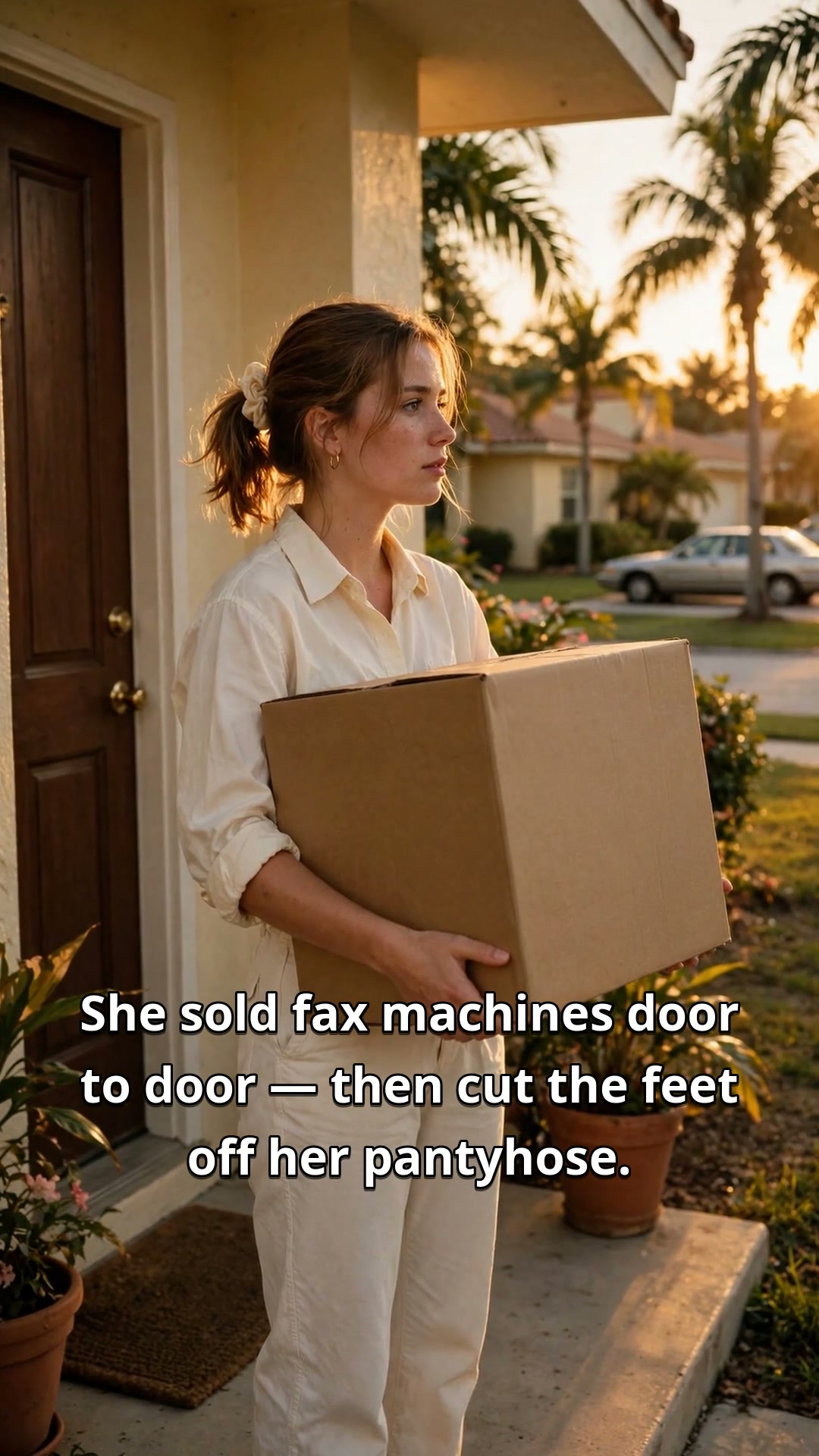
In the late nineties, Sara Blakely sold fax machines door to door — seven years of it. She knew rejection the way a mail carrier knows rain. One night, getting ready for a party in white pants, she cut the feet off her control-top pantyhose — no seams, no foot lines under the white. Then she thought: this should exist for women.
Two years of no — then one yes
That snip became Spanx. But first came two years of hosiery mills saying no — mill after mill turned her down, until one owner called back. His two daughters had talked him into it.
At Neiman Marcus, the buyer was wavering. So Sara walked her down the hall to the bathroom, stepped into a stall, and showed her the before-and-after on herself. The buyer got it — and the trial order put Spanx in seven stores.
$5,000 and twenty-one years
She started with $5,000 of her own savings. No investors, no connections, no outside money for the next twenty-one years. The $5,000 had to be enough — so she made it enough. Then Blackstone bought a majority stake, valuing Spanx at $1.2 billion.
What it teaches
Rejection is data about the person saying no, not information about the idea. Blakely's mills didn't change her product — she just kept looking for the one who could see it.
Reel script
In the late nineties, Sara Blakely sold fax machines door to door. One night, getting ready for a party in white pants, she cut the feet off her control-top pantyhose — and thought, this should exist for women.
That snip became Spanx. But first came two years of hosiery mills saying no — until one mill owner called back. His two daughters had talked him into it.
At Neiman Marcus, the buyer was wavering. So Sara walked her down the hall to the bathroom, stepped into a stall, and showed her the before-and-after on herself. The buyer got it — and the trial order put Spanx in seven stores.
She started with $5,000 of her own savings. No investors, no connections, and no outside money for the next twenty-one years. Then Blackstone bought a majority stake, valuing Spanx at $1.2 billion.
Rejection isn't information. Keep going until someone sees what you see.
The lesson
Rejection isn't information. Keep going until someone sees what you see.
What it teaches
Rejection is data about the person saying no, not information about the idea. Blakely's mills didn't change her product — she just kept looking for the one who could see it.
How to use it
- Sort your last three rejections into fit versus value — then keep pitching the idea, not mourning the no.
- Make your next project tangible enough to demo: a prototype persuades where slides stall.
- Ask one more person this week — your next yes is probably one conversation past your last no.